Skip to content
Home » Blog » Six Common Conveyor Issues

Six Common Conveyor Issues

    6 Common Conveyor Failures and How to Fix Them

    By: Tim Swedberg

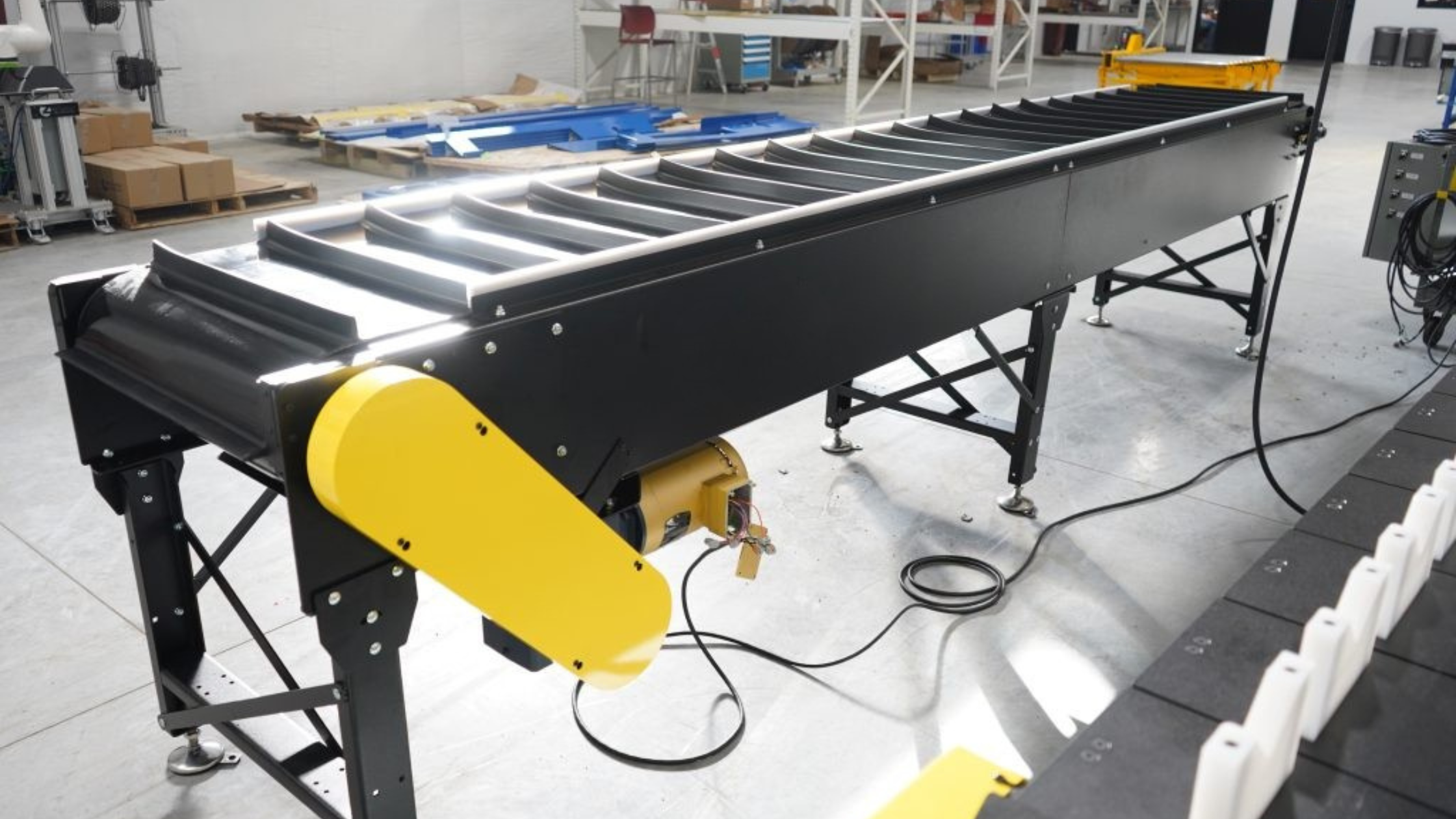
    Conveyors efficiently move materials through industrial facilities, so any problem with your conveyor can be a costly one. To minimize downtime and loss of productivity, this page offers conveyor belt troubleshooting tips for six common conveyor failures, as well as practical conveyor system maintenance solutions that will get you back in business ASAP.

    6 Common Conveyor Failures

    As one of the hardest working pieces of equipment in your facility, conveyors are likely to encounter occasional problems. Conveyors may experience mistracking, slippage, material carry-back, blockages, seized rollers and motor and drive failure.


    Below we’ll identify and explain these issues and offer actionable fixes and preventive measures, but remember safety is paramount. Before performing inspections or repairs on your conveyor, ensure that power is turned off and proper lockout/tagout procedures are followed.

    1. Conveyor Belt Tracking Issues

    What it is: Conveyor belt mistracking occurs when the belt tracking goes out of alignment and causes problems like uneven belt wear, material spillage and product damage.


    Identify it: Mistracking is likely the issue if the belt is drifting from one side to the other, causing the entire system to shift out of alignment.


    Fix it: Inspect and adjust pulleys as needed.


    Prevent it: Be on the lookout for early signs of conveyor belt tracking issues, such as uneven belt wear and material spillage, and address them as they arise to prevent mistracking.

    2. Belt Slippage

    What it is: To operate smoothly, conveyor belts require a precise balance of tension. Belt slippage happens when belt tension is too tight or too loose. If the tension is too tight, the belt will stretch. When tension is too loose, the belt will slip side-to-side or off the pulleys.


    Identify it: Belt slippage shows up as stretching or wear and tear on the belt or as the belt slipping off the pulleys. There will also be a rattling, screeching or grating noise during operation.


    Fix it: Adjust belt tension to the proper measurement. Inspect pulleys and replace any that have worn.


    Prevent it: Calibrate your belt tension and keep a record of the proper measurements. Regularly check and adjust the tension to these specifications. Inspect pulleys for signs of wear and replace any that are too smooth. Avoid overloading the conveyor as too much weight may strain the belt and cause it to slip.

    3. Material Carry-Back

    What it is: When conveying systems transport loose, powdery materials, they may stick to the conveyor belt, pulleys and rollers. Known as material carry-back, this situation can result in worn components and time-consuming housekeeping.


    Identify it: Loose material will be visible on system components.


    Fix it: The material carry-back conveyor fix includes dislodging material from the belt and reducing the humidity and condensation in the area, which can worsen the situation.


    Prevent it: Install belt cleaners or brushes and maintain a humidity-free environment to prevent future issues.

    4. Blockages

    What it is: A conveyor should efficiently carry product from one location to another, but when an obstacle interferes with product movement or conveyor speed is not calibrated correctly, blockages – and bottlenecks – will occur.


    Identify it: You’ll know there’s a blockage when products begin to pile up and jam the system.


    Fix it: If the issue is related to conveyor speed, adjust the speed setting to keep pace with product spacing. If the problem is caused by interference, you’ll need to examine the entire line to find and remove the obstacle.


    Prevent it: Frequently inspect your conveyor system for sharp edges, corners and other obstacles on and off the conveyor that may snag products and remove the culprit.

    5. Seized Rollers

    What it is: Conveyor rollers propel belt movement, but over time rollers can develop sharp edges, causing snags that seize roller motion, stopping the conveyor. Built up dirt and debris and improper lubrication can be other causes. Seized rollers damage belts and motors, injure employees, increase energy consumption and create downtime.


    Identify it: When seized, rollers will stop turning.


    Fix it: Carefully inspect rollers and replace any that show signs of wear. Remove any built-up debris and lubricate where necessary.


    Prevent it: Regular inspection and cleaning of rollers will allow you to identify issues so you can replace worn or sharp rollers before they result in unplanned downtime.

    6. Motor and Drive Failure

    What it is: Motors and drives power conveyor movement. Wear and tear due to belt mistracking, belt slippage or overloading can cause premature failure, stopping the conveyor in its tracks.


    Identify it: A complete stoppage, reduced performance, overheating and unusual knocking or squealing noises that are not related to conveyor belt issues signify motor or drive failure.


    Fix it: Motor failure likely requires professional repair or replacement.


    Prevent it: Performing routine inspections and preventive maintenance on conveyor components will prevent belt mistracking, slippage, blockages and seized rollers, which contribute to motor and drive issues. Replacing worn parts and addressing issues early will help avoid premature motor and drive failure.

    Conveyor System Maintenance Prevents Common Conveyor Failures

    Regular inspection, cleaning and preventive maintenance will prevent common conveyor failures, ensuring optimal conveyor operation.


    While this conveyor belt troubleshooting and maintenance guide can help you avoid prolonged conveyor downtime, the automation and compressed air experts at HTE have the knowledge and equipment to keep your conveyor – and your business – moving. Don’t wait until there’s a costly problem, reach out to us today.

    • Wojciak Scott

      Scott Wojciak, a seasoned executive with deep expertise in industrial automation and distribution, serves as Senior Vice President of Automation at Tavoron. He previously led the Fluid Power, Automation, and Engineered Solutions Division at Singer Industrial and held leadership roles at BW Rogers, including Vice President of Sales, Director of Sales, and Regional Business Unit Manager. Known for his results-driven approach and customer-focused leadership, Scott has spent his entire career advancing commercial strategy and operational performance across the automation sector. He began his career as a Sales Engineer and earned BW Rogers’ Salesman of the Year award early in his tenure.

      View all posts